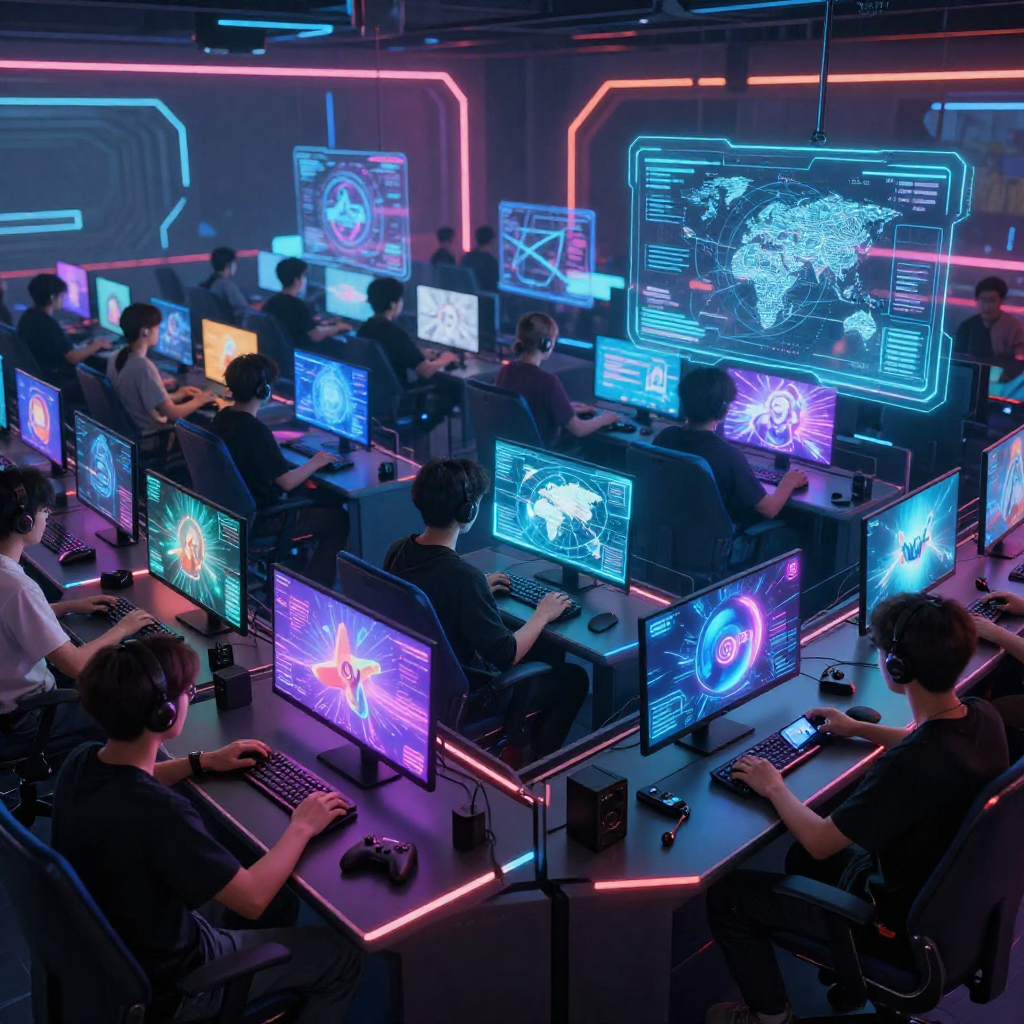
Over the last two decades, online gaming has transformed from a small hobby into a massive global phenomenon. What once involved a single player sitting alone with a console has now become a shared digital experience that connects millions of people around the world. Today, online gaming is more than just entertainment — it is a lifestyle, a social platform, and even a professional career path. The rapid development of the internet and modern technology has played a major role in shaping this new culture.
The Evolution of Online Gaming
In the early days, video games were mostly offline and single-player. Gamers played against computer-controlled opponents and had limited interaction with others. However, the arrival of the internet completely changed the gaming experience. Multiplayer games allowed players to compete and cooperate with people from different countries in real time.
Popular online games introduced teamwork, communication, and competition. Instead of playing alone, gamers could now form teams, join clans, and build online friendships. This shift marked the beginning of online gaming as a social activity rather than an individual one.
Gaming as a Social Platform
One of the most important reasons for the rise of online gaming culture is its ability to connect people. Online games have become virtual meeting places where friends gather to talk, play, and relax together. Voice chats, text messaging, and live streaming allow players to communicate easily while playing.
For many individuals, gaming communities feel like a second home. People share experiences, celebrate achievements, and support each other. During times when physical interaction is limited, such as during lockdowns or busy schedules, online gaming helps reduce loneliness and keeps people socially active.
Increased Accessibility for Everyone
Another key factor behind the growth of online gaming is accessibility. In the past, gaming required expensive consoles or powerful computers. Today, smartphones and affordable internet connections have made gaming available to almost everyone.
Mobile games have attracted millions of players worldwide, including children, teenagers, and adults. This wider access has made gaming more diverse and inclusive. People from different ages, cultures, and backgrounds can now participate in the same virtual worlds, making online gaming a truly global activity.
The Rise of Esports and Professional Gaming
Online gaming is no longer just for fun — it has also become a serious profession. Esports, or competitive gaming, has turned skilled players into professional athletes. Large tournaments offer huge prize money, sponsorships, and international recognition.
Professional gamers train daily to improve their performance, just like traditional sports players. Millions of fans watch esports competitions online or in stadiums, cheering for their favorite teams. As a result, gaming has created new career opportunities such as professional players, coaches, commentators, and event organizers.
Streaming and Content Creation
Streaming platforms have added another exciting dimension to gaming culture. Many gamers now share their gameplay through live streams or recorded videos. Viewers watch them for entertainment, tips, or simply to enjoy their personalities.
Content creators build strong communities where fans interact through comments, chats, and donations. Some streamers even earn a full-time income from their channels. This shows how online gaming has expanded beyond playing games to creating digital entertainment and media.
Challenges of Online Gaming Culture
Despite its many advantages, online gaming also has some challenges. Excessive gaming can lead to addiction and may affect health, studies, or work. Cyberbullying and toxic behavior in online communities can also create negative experiences for players.Visit online hargatoto for more details .
To address these issues, game developers are introducing safety features such as reporting systems, time management tools, and stricter rules against harassment. Players and parents must also ensure a healthy balance between gaming and other responsibilities.
Skills and Benefits of Gaming
Online gaming is not only entertaining but also educational. Many games help develop important life skills such as teamwork, communication, strategic thinking, and quick decision-making. Multiplayer games teach cooperation, while puzzle and strategy games improve problem-solving abilities.
These skills can be useful in real-life situations, including schoolwork and professional tasks. This proves that gaming can have positive effects when enjoyed responsibly.
The Future of Online Gaming
The future of online gaming looks bright and innovative. New technologies like virtual reality (VR), augmented reality (AR), and cloud gaming are making experiences more immersive and realistic. Players may soon explore digital worlds that feel almost like real life.
As technology continues to improve, online gaming will likely become an even bigger part of daily life, blending entertainment, education, and social interaction.
Conclusion
In conclusion, online gaming culture has grown into a powerful global movement that influences how people play, connect, and communicate. From social interaction to professional esports, gaming has become an important part of modern society. Although challenges exist, the benefits and opportunities it offers are significant. The rise of online gaming shows that digital worlds are not just games — they are communities that bring people together.